

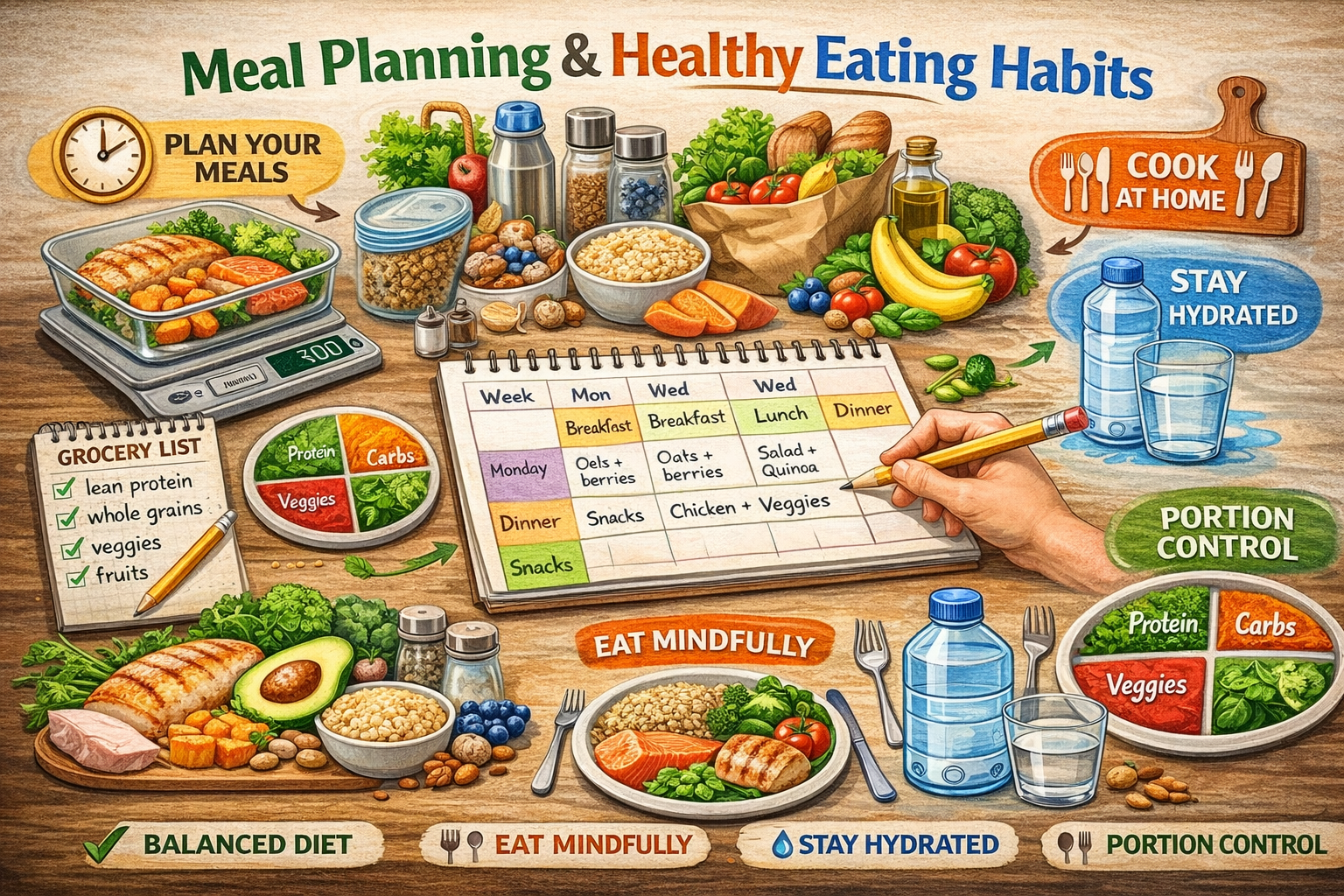
How Different Food Groups Contribute to a Balanced Diet
Understanding how food groups fit together helps create informed dietary choices. Rather than labeling foods as strictly “good” or “bad,” modern nutrition guidance often emphasizes overall patterns and balance.
Vegetables and fruits are commonly recommended as foundational components of balanced eating. They provide fiber, naturally occurring vitamins, minerals, and various plant compounds. Including a range of colors can contribute to broader nutrient diversity.
Grains, particularly whole grains, supply carbohydrates that the body uses for energy. Whole grain varieties retain more of their natural fiber and nutrients compared to refined versions. Examples include oats, brown rice, quinoa, and whole wheat products.
Protein-containing foods support structural and metabolic processes in the body. Options vary widely, including plant-based sources such as beans, lentils, tofu, nuts, and seeds, as well as animal-based sources like dairy, eggs, fish, and poultry. Including a variety across the week may support dietary diversity.
Dairy products and fortified alternatives can contribute calcium and other nutrients depending on the product. Unsweetened versions are often included in general dietary guidelines to reduce added sugar intake.
Fats are sometimes misunderstood. While excessive intake of any nutrient may disrupt balance, moderate amounts of unsaturated fats are widely recognized as part of balanced eating patterns. Sources include olive oil, avocados, nuts, and seeds.
Reading food labels can support informed choices. Paying attention to ingredient lists, serving sizes, and added sugars helps consumers understand how products fit into an overall dietary pattern. Labels are informational tools rather than indicators of absolute value.
Balanced nutrition is rarely about a single meal. It reflects consistent dietary patterns across days and weeks. Understanding food groups and how they interact provides a foundation for informed, sustainable eating choices that support general well-being.