
Building a Well-Rounded Plate: Practical Guidelines for Everyday Eating
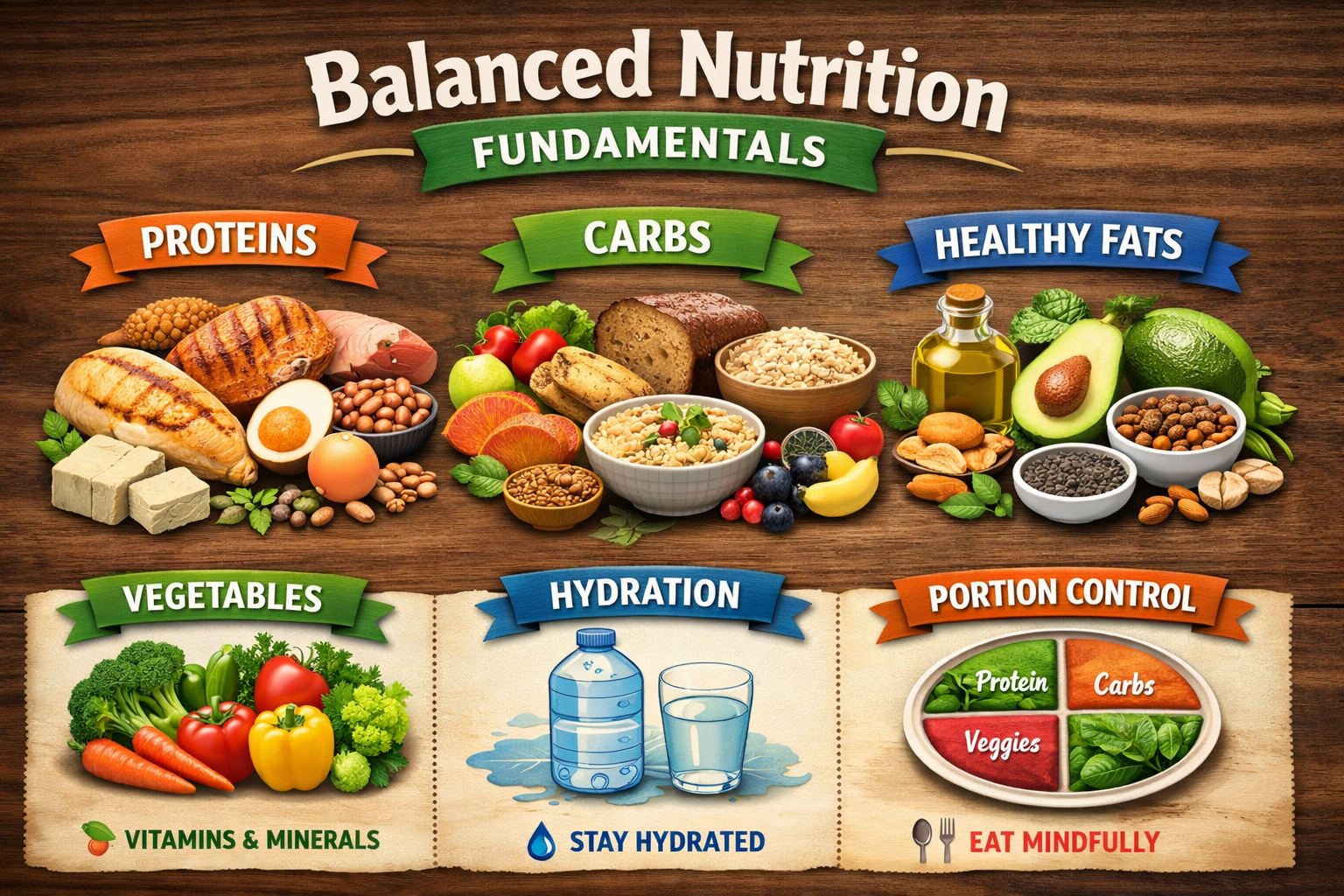
Balanced eating does not require extreme rules or complicated systems. At its core, it is about variety, proportion, and consistency. A well-rounded plate includes a mix of macronutrients — carbohydrates, proteins, and fats — along with essential vitamins and minerals that support normal body functions.
Carbohydrates often serve as the primary source of energy. Whole grains, fruits, vegetables, and legumes provide fiber in addition to energy, helping to support digestion and steady energy levels throughout the day. Choosing minimally processed sources can help maintain nutritional density.
Protein plays a structural role in the body. It contributes to muscle maintenance, enzyme production, and other essential biological processes. Common dietary sources include legumes, dairy products, eggs, fish, poultry, nuts, and seeds. Including moderate portions of protein in meals can contribute to satiety and balanced intake.
Dietary fats are also an important component of a balanced pattern. Unsaturated fats, commonly found in foods like olive oil, nuts, seeds, and certain fish, are widely included in general nutrition guidelines. Fat contributes to flavor, nutrient absorption, and overall dietary satisfaction.
Micronutrients — vitamins and minerals — are required in smaller amounts but remain essential. A diverse selection of colorful vegetables and fruits often provides a broad spectrum of these nutrients. Variety is one of the simplest and most effective strategies in balanced nutrition.
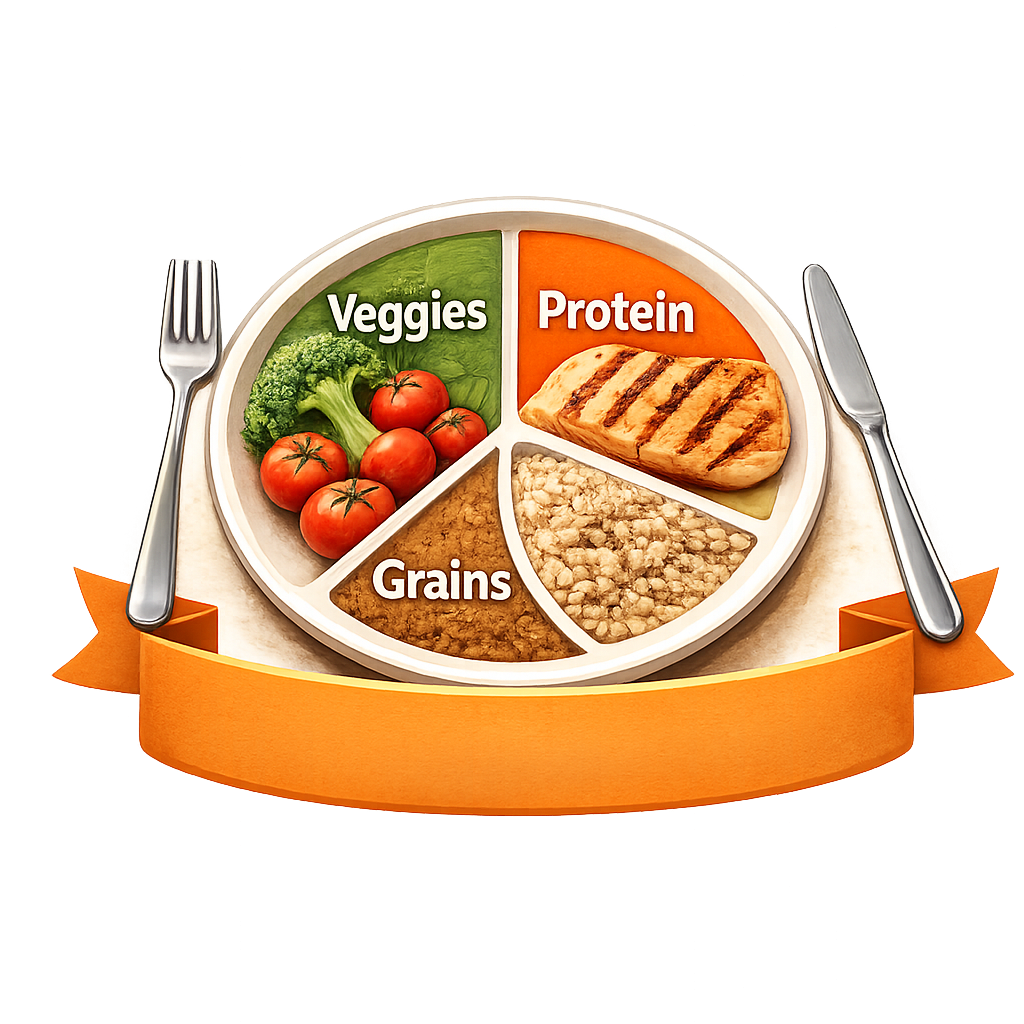
Portion awareness also matters. Rather than focusing on restriction, many dietary frameworks suggest visual methods, such as filling half the plate with vegetables, one quarter with protein sources, and one quarter with whole grains or other carbohydrate-rich foods. This approach supports balance without strict counting.
Hydration is frequently overlooked. Water supports digestion, circulation, and temperature regulation. While individual needs vary, consistent fluid intake throughout the day is generally recommended as part of a balanced lifestyle.
Balanced eating is not about perfection. It is about patterns over time. Occasional indulgences can fit within an overall structured approach. Consistency, diversity, and moderation remain central principles in most evidence-informed dietary models.