

Creating Sustainable Weekly Meal Plans for Long-Term Healthy Eating
Meal planning can simplify daily decisions and support consistent eating habits. Instead of relying on last-minute choices, a structured weekly outline allows for balanced variety and practical grocery shopping.
A sustainable meal plan often begins with basic structure. Many people find it helpful to outline three main meals per day and optional snacks, depending on personal preferences and activity levels. Planning does not require rigid rules — flexibility helps maintain long-term consistency.
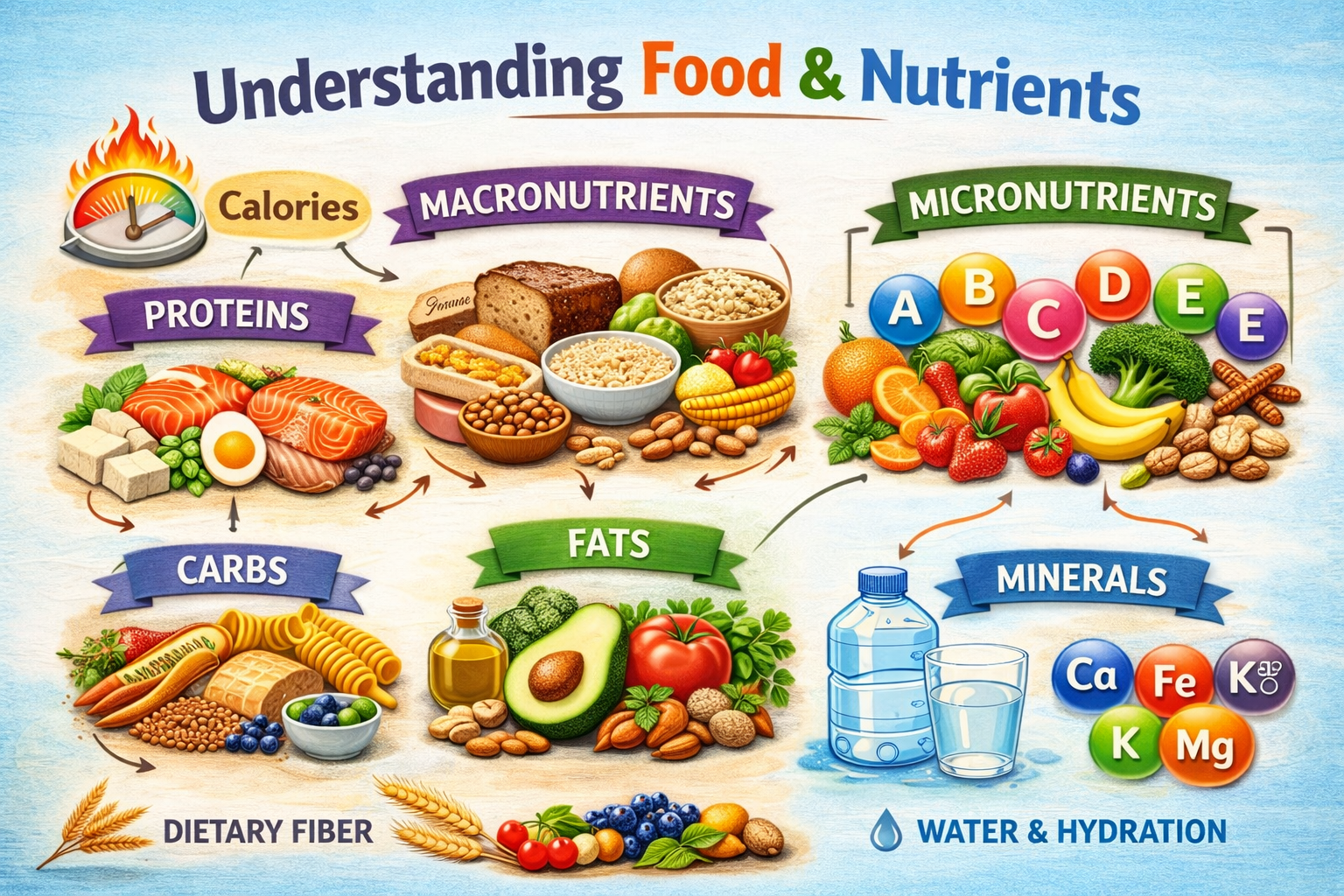
Including different food groups throughout the week supports dietary diversity. Rotating protein sources, incorporating seasonal vegetables, and alternating whole grains can help maintain nutritional balance and prevent monotony. Diversity also supports broader nutrient coverage.
Batch cooking can improve efficiency. Preparing staple ingredients such as grains, roasted vegetables, or legumes in advance allows them to be combined in different ways across multiple meals. This approach reduces daily preparation time while maintaining variety.
Grocery planning is another practical component. Creating a list based on planned meals may help reduce impulse purchases and food waste. Organizing the list by categories — produce, proteins, grains, pantry items — can streamline shopping.
Healthy eating habits also extend beyond ingredients. Eating at regular times, minimizing distractions during meals, and paying attention to hunger and fullness cues contribute to a more mindful relationship with food.
Importantly, sustainability matters more than intensity. Highly restrictive plans may be difficult to maintain over time. Gradual improvements and realistic adjustments tend to support long-term consistency better than short-term extremes.
Meal planning is ultimately a tool — not a rigid framework. It provides structure while allowing flexibility, helping individuals maintain balanced eating patterns within busy schedules.